
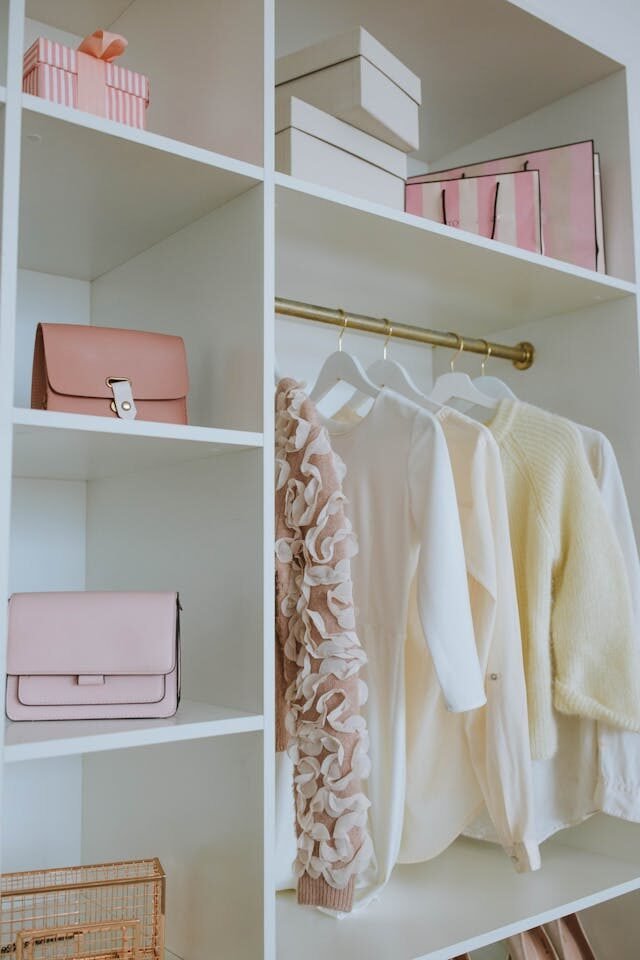
For home sellers listing a primary home and small real estate investors turning over a property, disorganized homes create a quiet but costly problem: showings feel chaotic, photos look smaller, and buyers start hunting for flaws instead of falling in love. That’s the heart of most home staging challenges, clutter reads like deferred maintenance, even when the bones are solid. Stylish home organization bridges the gap between real life and real estate market preparation by making each room feel intentional, livable, and easy to trust. The result is faster property sale readiness and calmer showings.
Understanding Organization That Sells
Smart home organization for selling is not about hiding every sign of life. It is about applying home organization principles that balance clean style with everyday function, so each space reads as easy to live in. The psychology of staging matters because buyers respond to a simple, appealing scene, not just fewer items.
This approach protects your pricing story and your timeline. Good preparation can increase your final sale price, because rooms feel cared for and move-in ready. For investors, it also reduces costly second-guessing during showings.
Think of it like setting up a short-term rental for great reviews. You keep it beautiful, but you also make keys, shoes, and daily essentials effortless. That mindset makes affordable routines and storage swaps feel worth doing and easy to maintain.
Steal 12 Budget-Friendly Organizing Upgrades Before Listing
A clean, organized home sells a feeling: “This place is easy to live in.” Use these budget-friendly staging ideas to support the buyer-flow basics from earlier, clear surfaces, easy pathways, and storage that looks intentional (not improvised).
- Run a 15-minute “Flat-Surface Reset” daily: Set a timer and clear only the kitchen counters, dining table, and entry console. Buyers judge spaciousness by what they see first, so these zones pull the most weight in photos and showings. Keep one small “catch-all” basket per room, then empty it into a hidden bin each evening.
- Create a storage plan before you start boxing: Decide where the overflow is going, closet-by-closet, not “we’ll figure it out later.” AARP recommends you create a storage plan because even ruthless decluttering still leaves you with stuff that shouldn’t live in your listing photos. Aim to free up 20–30% of each closet so doors open to “room to breathe,” not packed shelves.
- Swap mismatched bins for 2–3 “photo-friendly” container styles: Pick one neutral basket (blankets, toys), one clear bin (pantry, fridge), and one lidded box (paperwork). This is a stylish storage option that reads “custom” without the custom price. Bonus: buyers open a pantry or linen closet and instantly see categories, not chaos.
- Make your closets look bigger with one small rule: Turn all hangers the same direction and group by type: jackets, tops, pants, dresses. Then remove anything out-of-season and anything you won’t wear in the next 30 days, those pieces can live in a single labeled tote. This clutter reduction technique takes an hour but makes bedrooms feel calmer and more premium.
- Staging-light the kitchen with “counter zoning”: Keep only three things out: one coffee/tea tray, one cutting board, and one small bowl of fruit. Everything else gets assigned a home, especially mail, meds, and small appliances. This is realistic home preparation because it’s easy to maintain: when you cook, items come out; when you’re done, the counter returns to “show-ready.”
- Turn your entry into a one-spot landing zone: Add a slim tray or bowl for keys, a small mat for shoes, and 3–5 sturdy hooks (or a rail) for bags and jackets. It prevents the “stuff drift” that makes hallways and living rooms feel tight. If you’re an investor prepping a rental or flip, this tiny system also reduces move-in clutter for the next owner.
- Do a curb-appeal “3-3-3” in 30 minutes: Put away 3 stray items (hose, toys, tools), wipe down 3 touchpoints (front door, handle, light switch plate), and add 3 simple visuals (fresh doormat, trimmed greenery, clean house numbers). Enhancing curb appeal doesn’t need new landscaping, just signals that the home is cared for. Take a quick photo from the street when you’re done; it’s the same viewpoint many buyers see first.
These small upgrades add up, staging their sellers’ homes helped 29% of agents report a 1% to 10% increase in the dollar value offered. And if decluttering hits an emotional nerve (or you’re not sure what’s “too much”), a simple keep/donate/sell plan makes decisions easier without erasing the memories.
Smart Staging FAQs for a Calmer Sale
Q: What are some stylish and affordable organization tips that can make a home more inviting to potential buyers?
A: Stick to a tight color palette: matching hangers, two or three basket styles, and clear bins for pantries read “intentional” without costing much. Add one “scene setter” per room, like a tray on the coffee table, then keep everything else tucked away. Aim for calmer sightlines because homes with less clutter create instant comfort.
Q: How can I organize my home to both clear clutter and showcase my personal style during a sale?
A: Use a keep, donate, sell plan first, then display only a few pieces that match the mood you want buyers to feel. Think one art wall, one bookshelf vignette, or one signature color repeated subtly. The goal is “lived-in, not loaded.”
Q: What practical home organization strategies help reduce stress and make staging for sale easier?
A: Create a small “showing kit” tote: wipes, a lint roller, a candle-free freshener, and a laundry basket for last-minute scoops. Then label three temporary bins: Put Away, Donate, and Not Leaving This House. When decisions feel smaller, your brain stays calmer.
Q: How can streamlined home organization improve a property’s appeal in a competitive real estate market?
A: Buyers pay for ease, and clear pathways plus open shelves signal the home has enough space. Clean closets and simple counters also photograph better, helping listings feel brighter and more premium. It helps that selling up to 50 percent faster is a real upside reported for decluttered homes.
Q: How can creating personalized photo calendars help me preserve memories while preparing my home for sale and managing moving stress?
A: Set a 30-minute timer, pick 12 favorite photos, and assign one per month with a short caption or “story line.” You get a keepsake without keeping extra boxes of sentimental items out during showings, and those interested in photo calendar options can check this out. It also gives you a positive ritual while you pack, which can lower the emotional load.
Sale-Ready Organization Checklist
This quick list can transform “where do I start?” into a repeatable system you can use across properties and personal homes. Tight execution here reduces friction for showings and helps protect pricing upside, since staged homes are often positioned to win stronger offers.
✔ Clear countertops and nightstands to three items or fewer
✔ Sort every closet into Keep, Donate, List, Trash bins
✔ Store extras in matching bins and label by room
✔ Hide cords, routers, and chargers with simple cable clips
✔ Reset entry and kitchen drop zones with one tray and one hook
✔ Open curtains and blinds to brighten photos and tours
✔ Maximize curb appeal with a clear porch and tidy walkway
Check these off once, then maintain them for ten minutes a day.
Keeping a Stylish, Show-Ready Home Through Closing Day
Selling while living in the space can feel like a constant reset, one more mess, one more showing, one more thing to stash. The checklist mindset and simple systems throughout the home make stylish home organization feel doable, not draining, so functional and aesthetic staging becomes part of daily life. When the basics stay handled, boosting home marketability gets easier and preparing for a successful sale feels more in your control, which is real seller empowerment. A show-ready home is just a few repeatable resets, not a perfect life. Choose one high-impact area to reset this week, the entry, kitchen counters, or primary bedroom, and keep it show-ready until closing day. That steady rhythm supports a calmer household now and a smoother transition into whatever comes next.